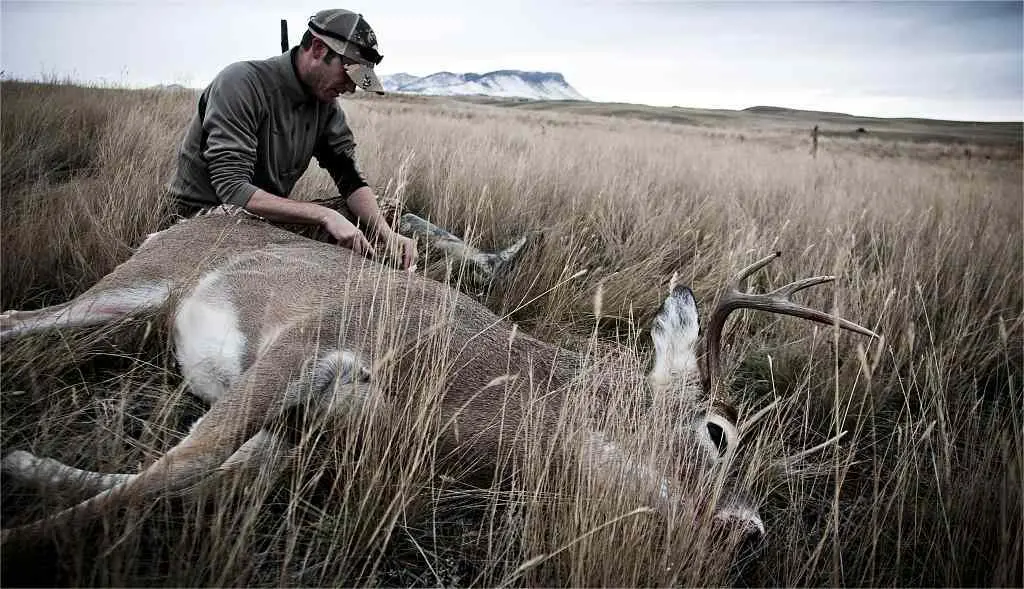
*Post last updated in May 2026. We verified the season information against the California Department of Fish and Wildlife’s official proclamation.
California is one of the most underrated hunting states in the country. From coastal forests and oak foothills to high desert and public-land country in the north and east, the state offers a wide mix of habitat and solid hunting opportunities.
You can find black-tail deer, mule deer, wild turkey, and migrating waterfowl, along with plenty of public land once you know where to look. The challenge is knowing when and where to hunt.
We have put in significant field time across multiple California zones, and we will share everything, including season dates, hunting zones, license and tag costs, key regulations, and a few public land areas worth putting on your map, not just what the brochure says.
Why Do Hunting Season Dates Change Every Year?
California Department of Fish and Wildlife (CDFW) adjusts season dates annually based on population surveys, habitat conditions, weather data from the prior year, and harvest reports from the previous season.
Deer herd numbers fluctuate, especially after drought years or hard winters, and the department responds by tightening or expanding season windows accordingly.
The zone system exists because California spans roughly 800 miles from north to south and covers at least six distinct ecological regions.
Game animals’ breeding cycles, migration patterns, and food sources differ enough that a single statewide season would either be too early or too late for most of the state.
Splitting the state into zones lets CDFW manage each population more precisely.
| ⚠️ Important Reminder Never assume last year’s dates carry over. Always check the current CDFW Hunting Digest before you book anything. |
California Hunting Season Dates and Zones
🦌Deer Season
California deer hunting runs roughly from late July through late December, depending on the zone, weapon type, and deer subspecies.
Deer Archery Season (2025)
Archery seasons typically open first in late July and run into August.
| Zone(s) | Season Dates |
|---|---|
| Zone A | Jul 12 – Aug 3 |
| B1–6, D3–10 | Aug 16 – Sep 7 |
| B4 | Jul 26 – Aug 17 |
| D11, D13–19 | Sep 6 – Sep 28 |
| D12 | Oct 4 – Oct 26 |
| A1 | Aug 16 – Aug 31 & Aug 16 – Sep 7 |
| A3–18, A20 | Aug 16 – Sep 7 |
| A19 | Aug 16 – Aug 31 |
| A21 | Nov 8 – Nov 21 |
| A22 | Sep 6 – Oct 19 & Nov 15 – Dec 31 |
| A24 | Oct 11 – Nov 9 |
| A25 | Oct 4 – Oct 27 |
| A26 | Nov 15 – Dec 7 |
| A27 | Oct 25 – Nov 9 |
| A30 | Nov 8 – Nov 23 |
| A31 | Sep 27 – Dec 31 |
| A32 | Nov 8 – Nov 30 |
| A33 | Oct 4 – Nov 11 |
Deer General Season (2025)
General deer seasons open later, usually in September and October in most zones. Late seasons in some D zones and special permit areas can push into late November.
| Zone(s) | Season Dates |
|---|---|
| Zone A | Aug 9 – Sep 21 |
| B1–3, B5, C2–3 | Sep 20 – Oct 26 |
| B4 | Aug 23 – Sep 28 |
| B6, C1 | Sep 20 – Oct 19 |
| C4 | Sep 20 – Oct 5 |
| D3–5 | Sep 27 – Nov 2 |
| D6–7 | Sep 20 – Nov 2 |
| D8–10 | Sep 27 – Oct 26 |
| D11, D13–15 | Oct 11 – Nov 9 |
| D12 | Nov 1 – Nov 23 |
| D16 | Oct 25 – Nov 23 |
| D17 | Oct 11 – Nov 2 |
| D19 | Oct 4 – Nov 2 |
| X1–7b | Oct 4 – Oct 19 |
| X8 | Sep 27 – Oct 12 |
| X9a, X9b, X12 | Sep 20 – Oct 13 |
| X9c | Oct 18 – Nov 9 |
| X10 | Sep 27 – Oct 12 |
Apprentice Hunt Dates
| Zone / Type | Dates |
|---|---|
| J1 — Either-Sex | Nov 1–2, 2025 |
| J8 — Either-Sex | Dec 6–31, 2025 |
| J10 — Either-Sex | Oct 4–5 & Oct 11–13, 2025 |
| J3 — Buck Hunt | Nov 29–30, 2025 |
| J4 — Buck Hunt | Nov 22–30, 2025 |
| J15 — Buck Hunt | Nov 23 – Dec 1, 2025 |
| J9 — Shotgun Only Either-Sex | Sep 20–28, 2025 |
💡 Deer Season Field Tip:
- ⚠️CWD has been detected in Inyo and Madera Counties this year. If you are hunting in the areas (D7, X9a, X9b, X9c) from these counties, make sure to do the CWD testing for your harvest.
- Most general tag hunters hunt the D zones, which cover the Sierra Nevada foothills and much of Northern California. A zone on the north coast is where the blacktail hunting gets serious.
- In our experience, the first two weeks of the general rifle season produce the most consistent deer movement before hunting pressure builds. Zone D3 and D4 (northern Sacramento Valley foothills) are the most accessible for hunters without backcountry experience.
- For public land hunters on a budget: D zones are your starting point.
CDFW has adjusted antler restrictions in several D zones to protect younger bucks.
There are no major structural changes between 2025 and 2026 in zone boundaries.
In these two years, the number of deer hunted in California stayed pretty much the same. There are more than 21,000 deer harvested each year. The same number of hunters were active, and there were just as many deer around.
🦬Pronghorn Hunting Seasons by Hunt Codes
The hunting season varies by different hunt codes. We have grouped them by season dates to make it easier to find your hunt window.
| Hunt Type | Hunt Dates | Hunt Codes | Tag Quota |
|---|---|---|---|
| Archery | Aug 9–17 | 728, 745, 755, 765 | 1–5 |
| General | Aug 12–17 | 433, 437 | 2 |
| General | Aug 23–31 | 710, 720, 730, 740, 750, 760 | 2–35 |
| Apprentice | Aug 23–31 | 790, 780, 766 | 1–5 |
| General | Aug 30–Sep 5 | 387 | 4 |
| General | Sep 4–7 | 357 | 6 |
| General | Sep 6–14 | 742 | 35 |
| General | Sep 6–12 | 388 | 2 |
| General | Sep 6–Dec 2 | 461, 463 | 2 |
| General | Sep 9–12 | 358 | 4 |
| General | Sep 11–14 | 359 | 4 |
| General | Sep 13–28 | 373, 315 | 1 |
| General | Oct 4–12 | 365, 368, 369, 486, 323 | 1 |
| General | Oct 4–Dec 2 | 375, 376 | 10 |
| General | Oct 11–Nov 3 | 417, 419 | 5–6 |
| General | Oct 18–26 | 366, 370, 371, 324 | 0–1 |
| General | Nov 8–30 | 377, 378, 418, 420 | 6–10 |
| General | Nov 22–30 | 448 | 6 |
| General | Dec 20–Jan 1 | 447 | 8 |
🦃Turkey Seasons 2026
California is loaded with many Rio Grande turkeys, offering a thrilling chance for turkey hunters.
We get both a Spring and a Fall season here. Spring is a big deal, usually starting the last weekend in March.
|
Spring Turkey Seasons (2026) |
||
| General Season | Archery Only | Additional Junior |
| Mar 28 – May 3, 2026 | May 4 – May 17, 2026 | Mar 21 – 22, 2026 May 4 – 17, 2026 |
*The fall season hasn’t been released yet. Please stay tuned!
To hunt turkey in California, you must be aware that California is a 100% non-lead state. You must use federally approved non-lead shot (like tungsten or bismuth) for turkeys. If a warden checks your vest and finds lead shells, your hunt is over.
To increase your chance with lower-pressure birds, don’t overlook those lower-elevation foothills that have great turkey populations. Just be ready to hike because the birds are high up in the ridges.
▶Read More: Guide to Spring Turkey Tag Applications, Draws & Leftover
🐻Bear Season
California has one of the healthiest black bear populations in the country. If you’re hunting deer in the high country, it’s always a good idea to have a bear tag in your pocket.
The bear season will be closed earlier if there are enough quota reported. So, take your time and grab your gear in the woods early.
- General bear season date: October 11 – December 28, 2025
- Archery bear season date: August 16 – September 7, 2025
Bag limits:
One adult bear is allowed per hunting license. Cubs and females accompanied by cubs are not allowed to be taken.
Unlike other states, California does not have a lottery draw for the bear tag. You can just buy it over the counter. Remember to check the “Bear Harvest Tracking” page on the CDFW (California Department of Fish and Wildlife) website before you head out.
Since you can’t use bear bait or dogs in California, you’ve got to rely on “spot and stalk.” Look for signs around berry patches or old orchards. Bears are hungry in the fall, and if you find their food source, you’ll find the bear.
Waterfowl Hunting Seasons
The main waterfowl season runs from October through late January. The Pacific Flyway pours millions of ducks and geese through the Central Valley every fall, and the Sacramento Valley is the centerpiece of that migration.
Split seasons for ducks are typical, with a short early teal season running in September before the main season opens. Click to check the specific season schedules:
If you’re a duck hunter in California, you’re in one of the best spots in the country. The Central Valley is a magnet for birds, and here is some info to know for 2026:
- In the 2026 season, the daily limit for Pintail has increased to 3 birds.
- Don’t forget your California Duck Validation and your Federal Duck Stamp.
- Some duck hunting areas require a reservation or a lottery draw on the morning of the hunt.
Sacramento National Wildlife Refuge Complex is one of California’s best-known public waterfowl hunting destinations. Popular hunt days often fill quickly through the reservation draw system, especially during peak season.
In addition to Sacramento NWR, portions of Delevan, Colusa, and Sutter National Wildlife Refuges are also open to public hunting through reservations, lottery draws, and first-come entry opportunities.
Hunting pressure usually peaks around the major November and December holidays. If you can hunt on a weekday in late October or early November, you will find lighter crowds and better access opportunities.
California Small Game Seasons
California offers a wide variety of small game hunting opportunities throughout the year. Below is a complete overview of season dates, bag limits, and key regulations for each species.
🐿️ Tree Squirrels
| Season Type | Open Date | Close Date |
|---|---|---|
| Archery / Falconry Only | Aug 2, 2025 | Sep 12, 2025 |
| General Season | Sep 13, 2025 | Jan 25, 2026 |
- Daily Bag Limit: 4 squirrels
- Possession Limit: 4 squirrels
🐇 Rabbits & Hare
| Species | Season Type | Open Date | Close Date |
|---|---|---|---|
| Cottontail Rabbit & Varying Hare | General | Jul 1, 2025 | Jan 25, 2026 |
| Cottontail Rabbit & Varying Hare | Falconry | Jan 26, 2026 | Mar 15, 2026 |
| Jackrabbit | General | Open statewide year-round | |
- Rabbit & Varying Hare — Daily Bag Limit: 5 | Possession Limit: 10
- Jackrabbit: No harvest limit
⚠️ Disease Alert: A highly lethal disease affecting all rabbit species (RHDV2) has been detected in Southern California. It spreads easily among rabbits and may be transmitted by hunters. If hunting in affected counties, take extra precautions and stay updated on the latest CDFW guidelines before heading out.
🐦 Pheasant
| Season Type | Open Date | Close Date |
|---|---|---|
| Archery Only | Oct 11, 2025 | Nov 2, 2025 |
| General / Statewide | Nov 8, 2025 | Dec 21, 2025 |
| Archery Only | Dec 22, 2025 | Jan 18, 2026 |
| Falconry | Aug 16, 2025 | Feb 28, 2026 |
- Opening Weekend Bag Limit: 2 per day (first two days only)
- General Daily Bag Limit: 3 per day
- Possession Limit: Triple the daily bag limit
Pheasant hunting on public lands is available across most zones. Check CDFW zone maps for specific boundaries before your trip.
🐦 Quail
California has three quail species: Valley Quail, Mountain Quail, and Gambel’s Quail. Mountain Quail season in the high country opens early; expect a steep climb to find them.
| Zone | Species | Open Date | Close Date |
|---|---|---|---|
| Zone Q1 | Mountain Quail Only | Sep 13, 2025 | Oct 17, 2025 |
| Zone Q1 | All Quail | Oct 18, 2025 | Jan 25, 2026 |
| Zone Q2 | All Quail | Sep 27, 2025 | Jan 25, 2026 |
| Zone Q3 | All Quail | Oct 18, 2025 | Jan 25, 2026 |
| All Zones | Archery Only | Aug 16, 2025 | Sep 5, 2025 |
| All Zones | Falconry | Aug 16, 2025 | Feb 28, 2026 |
- Daily Bag Limit: 10 quail
- Possession Limit: 30 quail
Millions of acres of National Forest and BLM land offer excellent quail habitat. Use a mapping app to locate zone boundaries.
If hunting near private vineyards and public hillsides, always maintain at least 150 yards from any occupied buildings before taking a shot.
🐦⬛ Dove
| Species | Season Dates | Daily Bag Limit | Possession Limit |
|---|---|---|---|
| Mourning Dove & White-winged Dove | Sep 1–15, 2025 & Nov 8–Dec 22, 2025 | 15 | 45 |
| Spotted Dove & Ringed Turtle Dove | Sep 1–15, 2025 & Nov 8–Dec 22, 2025 | No limit | No limit |
| Eurasian Collared-Dove | Year-round | No limit | No limit |
🐗 Wild Pig
Wild pig hunting is available year-round in California. Pigs are classified as a non-game mammal, so there is no closed season. However, a Wild Pig Tag is required before hunting. Tags are available for purchase through CDFW.
Legal Hunting Hours
For all mammals, legal hunting hours are from one-half hour before sunrise to one-half hour after sunset.
State-Specific Key Hunting Regulations
California’s regulations are detailed, and they are serious about enforcing them. Here are the rules that matter most and the ones that visiting hunters most often get wrong.
1. Deer Tag Specificity
California deer tags are not interchangeable across zones. Your tag is printed for a specific zone and deer season type.
Killing a deer in a zone other than the one printed on your tag, even if you are geographically close to the boundary, is a violation.
Confirm your exact hunting location and verify it falls inside your tagged zone before you shoot.
2. Lead Ammunition Ban
California has a statewide ban on lead ammunition for all hunting. This applies to centerfire rifle, handgun, and shotgun hunting of all species.
You must use non-lead projectiles such as copper, brass, or other non-toxic alternatives. This is not optional, and game wardens do check.
Out-of-state hunters who are unaware of this rule often run into trouble. Stock up on non-lead ammo before your trip because availability in smaller rural towns can be limited.
3. Antler Point Restrictions
Several D zones require bucks to have a minimum number of antler points on one side before they are legal.
These restrictions exist to let young bucks reach maturity. The specific requirement varies by zone, so do not assume it is the same as a neighboring zone.
4. License Display
California now accepts digital hunting licenses through the official CDFW License App, so carrying a paper license is no longer strictly necessary in many situations.
However, physical tags are still required for species like deer and bear, and you will want to carry printed copies as a backup in areas with poor cell service.
5. Pig Tag Requirement
Feral hogs require another pig validation in addition to your hunting license.
Some hunters assume that because pigs are non-game mammals, they are unrestricted. They are not. The tag is available over the counter and does not require a draw, but it is mandatory.
6. Hunter Orange
California does not require blaze orange for deer hunting, which surprises a lot of hunters from eastern states.
However, during rifle season, wearing orange is strongly recommended for added visibility and safety, especially on crowded public land.
How to Get a California Hunting License and Tag?
Now, let’s move on to how we can get a California hunting license and tag.
1. Resident License Options
Californians buy a basic hunting license covering the license year July 1 through June 30. From there, most hunters add tags and validations on top of the base license.
For a typical resident deer hunter, the best value package is the base hunting license combined with a deer tag for your target zone. If you also plan to hunt turkey, pigs, or take waterfowl, you can add those tags and the federal duck stamp as needed.
California does offer a Sport Fishing and Hunting License combination for residents who do both, which saves money if you are active in both activities.
Resident youth licenses are available at a significantly reduced rate and are a good option if you are bringing a younger hunter along.
2. Non-Resident License Options
Non-resident hunters pay considerably more for the base license and all of the tags. There is no discounted non-resident offer.
California does not offer multi-day or short-term hunting licenses for non-residents as other states do. Plan on purchasing the full annual license even for a single trip.
CDFW accepts out-of-state hunter education certificates. You don’t need to repeat the course in California; only need to provide proof of completion, typically a card from your home state.
3. Special Permits and Draw Hunts
California uses an extensive draw system for premium big game hunts.
Such as, deer hunting is split between over-the-counter general tags and limited-entry draw hunts. Most A-zone and D-zone deer tags can be purchased over the counter, while X-zone tags are issued through a competitive drawing system.
X zones are popular because they generally offer better habitat, lower hunting pressure, and a higher chance of finding mature bucks. Thus, the draw odds in the most desirable zones can be extremely low, especially for hunters with few or no bonus points.
Applications for premium deer tags are usually due in early June each year. Hunters who miss the deadline are generally limited to available over-the-counter tags and leftover opportunities.
California also uses a bonus point system that rewards hunters who apply consistently over time. While points do not guarantee success, they can significantly improve draw odds after several years of applying.
Our recommendation for California hunters is to apply for premium X zones every year while continuing to hunt general OTC tags in the meantime.
4. Hunting License & Tag Costs
Compared to previous years, the license fees and big game tags have increased a little. The following is a breakdown of the costs for each type of hunting license in the state:
| License / Tag Type | Cost |
|---|---|
| Hunting Licenses | |
| Resident Hunting License | $62.90 |
| Nonresident Hunting License | $219.81 |
| Junior Hunting License | $16.46 |
| One-Day Nonresident License | $30.24 |
| Two-Day Nonresident License | $62.90 |
| Disabled Veteran Reduced-Fee License | $9.79 |
| Recovering Service Member Reduced-Fee License | $9.79 |
| Deer Tags | |
| Resident — 1st Deer Tag / Drawing Application | $41.30 |
| Resident — 2nd Deer Tag / Drawing Application | $51.58 |
| Nonresident — 1st Deer Tag / Drawing Application | $368.20 |
| Nonresident — 2nd Deer Tag / Drawing Application | $368.20 |
| Elk, Pronghorn & Bighorn Sheep (Drawing Application) | $8.13 |
For California residents, if you are eager to participate in hunting activities each year, you can purchase a lifetime license for good to save any effort. Or, you can get an annual license each year. Here are the costs for lifetime licenses:
- Ages 0-9: $691.75
- Ages 10-39: $1,131.75
- Ages 40-61: $1,019.50
- Ages 62+: $691.75
- Lifetime Bird Hunting Privilege Package: $401.50
- Lifetime Big Game Hunting Privilege Package: $842.25
To buy a hunting license or a tag, you can purchase through the Online License Service, at any CDFW License Sales Office, or by telephone at (800) 565-1458.
When to Hunt in California?
Rut Timing by Deer Type
| Deer Type & Region | Rut Peak | Notes |
|---|---|---|
| Coastal Blacktail (Northern CA) | Late October | Peak during last 2 weeks of October |
| Coastal Blacktail (South / Lower Foothills) | Early November | Slightly later than northern coast |
| Mule Deer (Eastern Sierra / Great Basin) | Mid-Nov – Early Dec | High-desert environment pushes breeding back several weeks |
California blacktail deer rut typically peaks in late October through mid-November, though the exact timing shifts slightly by elevation and latitude.
Coastal blacktails in the northern counties tend to rut earlier, often showing peak activity in the last two weeks of October. As you move south along the coast or into the lower foothills, the rut can push into early November.
Mule deer in the eastern Sierra and Great Basin regions rut later, generally from mid-November into early December.
The colder temperatures and later vegetation senescence in those high-desert environments push breeding behavior back several weeks compared to coastal animals.
Weather Impact
In our experience, the best deer movement in California happens in the days immediately following the first significant cold front of the season.
When temperatures drop sharply after a warm September, deer that have been largely nocturnal start moving earlier in the evening and staying active later in the morning.
Fog on the north coast also concentrates deer movement along forest edges because they feel safer with reduced visibility.
Autumn weather varies dramatically by region. The north coast stays mild and wet well into fall. The Sierra Nevada foothills get genuine autumn cold in October and November.
The high desert can swing from warm afternoons to hard freezes overnight. Dress in layers regardless of the region.
Early vs. Late Season
The best time to hunt deer in California depends heavily on the zone and deer species you are targeting.
Early-season hunts in August and September usually mean hot weather, dry conditions, and deer still following predictable summer feeding and water patterns.
This can be a good time for glassing bucks in alpine basins or high-country mule deer areas, but long hikes and extreme heat are common, especially in California’s D zones.
By late October and November, cooler weather and pre-rut or rut activity begin to improve deer movement in many parts of the state.
This is when many hunters prefer to be in the field, particularly in blacktail and northern California deer zones where bucks become more active during daylight hours.
Late-season hunts often bring fewer hunters and cooler conditions, but deer are typically more pressured and cautious after weeks of hunting activity. Success during this period usually depends more on finding remote areas and less-pressured bucks.
Best Week Recommendation
If you only have one week to hunt California deer, put it in late October.
For blacktail hunters, this lines up with the coastal rut peak. For mule deer hunters in the Sierra foothills, this is when temperatures finally cool down enough to push deer into consistent daytime movement.
The combination of rutting activity beginning in blacktail zones and improved weather across the rest of the state makes late October the single best window for a first-time California deer hunter.
Best Places to Hunt in California Public Land
As hunters, we always want an appropriate place for hunting. In California, there are some great places to hunt. Let’s break down four of them one by one.
1. Six Rivers National Forest, Northern California Coast (Blacktail Country)
| Hunting Methods | Pressure Level | Access Tip |
|---|---|---|
| Spot-and-stalk on clear-cuts & logging roads; still-hunting timber edges | Moderate — steep terrain filters out casual hunters fast | Forest Road 7N01 off Hwy 96 near Somes Bar; bring offline topo maps |
Six Rivers covers nearly one million acres across Del Norte, Humboldt, Trinity, and Siskiyou counties, which is a genuine blacktail country in the northern A zones.
The terrain is steep, wet, and heavily timbered with Douglas fir, tanoak, and alder along river drainages.
Hunting methods that work best here are spot-and-stalk on clear-cuts and old logging roads where deer feed in early morning, and still-hunting through open timber edges during midday.
Hunting Pressure
Hunting pressure in Six Rivers is moderate compared to the more accessible D zones closer to population centers. The steep terrain self-selects for motivated hunters.
Weekends near the opener see some pressure on accessible trailheads, but a mile of elevation gain puts most hunters behind you fast.
Access Tip
Forest Road 7N01 off Highway 96 near Somes Bar provides access to several productive ridgelines in the mid-Klamath drainage. Bring a good paper map or downloaded offline topo because cell service is essentially absent.
Best Fit For
Hunters who are comfortable navigating steep timber, do not mind hunting in fog and rain, and are willing to pack out deer on their backs. Not ideal for ATV hunters or those with limited fitness.
2. Plumas National Forest, Sierra Nevada Foothills (Blacktail and Mule Deer)
| Hunting Methods | Pressure Level | Access Tip |
|---|---|---|
| Glassing open ridgelines; working lower oak drainages at dawn | Moderate — 2–3 hrs from Sacramento; move off main roads to beat crowds | Feather River Canyon (Hwy 70); eastern portions near Quincy get less pressure |
Plumas sit in the northern Sierra Nevada at elevations ranging from roughly 2,000 to over 7,000 feet. The habitat is a mix of ponderosa pine, black oak, and open meadows in the lower elevations, transitioning to lodgepole and white fir higher up.
This forest sits right in the transition zone where blacktail from the west and mule deer from the east overlap.
Oak areas in lower drains are productive for feeding deer from September through October. The open ridgelines above 5,000 feet offer good glassing country for mule deer in early season before they drop in elevation as snow moves in.
Hunting Pressure
Hunting pressure here is moderate and manageable if you move away from the main Forest Service roads.
Hunters from the Sacramento area use Plumas frequently because it is within two to three hours of the Sacramento Valley, so early-season weekends can feel crowded near the main access points.
Access Tip
The Feather River Canyon corridor along Highway 70 provides year-round access, and several forest roads branch off toward less-traveled drainages to the north and south.
The eastern portions of the forest near Quincy get less pressure than the western approaches from Oroville.
Best Fit For
Hunters who can glass open country effectively and are comfortable hunting mixed elevation terrain.
Reasonable for hunters who want to cover ground in a day without committing to a serious backpack trip.
3. Modoc National Forest and Bureau of Land Management, Northeastern California (Mule Deer Country)
| Hunting Methods | Pressure Level | Access Tip |
|---|---|---|
| Glassing from high points at first light; still-hunting through junipers | Genuinely light — long drive from any population center keeps it uncrowded | Likely area south of Alturas; county roads off Hwy 395 — download offline maps |
Modoc National Forest and the surrounding BLM ground in Lassen and Modoc counties cover some of the most underappreciated mule deer habitat in the West.
The terrain is a mix of juniper and sage flats, rim rock, and ponderosa pine at higher elevations. This is open country with long sight lines and a genuine number of mule deer.
Glassing is the primary hunting method here. Find a high point at first light, cover as much country as you can see, and move on the deer you locate. Still-hunting through junipers works as a secondary approach.
Hunting Pressure
Hunting pressure in Modoc and the surrounding BLM is genuinely light.
This is one of the least-hunted deer zones in the state, primarily because it requires a long drive from any population center, and the terrain looks plain from the road. This is why deer here see relatively few hunters.
Access Tip
The Likely area south of Alturas offers direct access to both forest and BLM ground. County roads off Highway 395 lead to open glassing country with minimal signage, so download offline maps before leaving cell range.
Best Fit For
Hunters who enjoy open-country glassing, are comfortable covering miles on foot, and prefer solitude over convenience.
This is an excellent area for hunters who have done western hunting before and want a legitimate backcountry mule deer experience without needing a backcountry permit.
4. Los Padres National Forest, Southern California (Mixed Game)
| Hunting Methods | Pressure Level | Access Tip |
|---|---|---|
| Still-hunting, posting above saddles and water; glassing chaparral burns | High near LA/Ventura metro; drops considerably 1+ hr from any highway trailhead | Santa Barbara backcountry via Figueroa Mountain Rd — designated multi-day campsites |
Los Padres is the largest national forest in California by area and spans roughly 1.75 million acres from Ventura County south to San Luis Obispo and Santa Barbara. The terrain ranges from chaparral-covered coastal mountains to canyon country inland, with some higher-elevation conifer habitat in the Transverse Ranges.
Deer hunting here is primarily for blacktail-mule deer hybrids in the coastal mountains and small-antlered mule deer in the interior. The chaparral terrain requires still-hunting or posting above open saddles and water sources because the brush is too thick to spot-and-stalk effectively in most areas.
Hunting Pressure
Hunting pressure close to the Los Angeles and Ventura metro areas is high, particularly on opening weekend and during the archery season.
Moving at least an hour from any highway trailhead and pressure drops considerably. Midweek hunting is significantly quieter.
Access Tip
The Santa Barbara backcountry accessed from Figueroa Mountain Road provides some of the more productive terrain in the southern portion of the forest.
Several designated campsites serve as base camps for multi-day hunts.
Best Fit For
Southern California residents who cannot travel far, or hunters who enjoy challenging physical terrain in warm conditions.
This area rewards hunters who are willing to hike and glass the open chaparral burns and ridgelines above the dense brush.
Frequently Asked Questions
When are the deer hunting seasons in California?
Do you need a hunting license to hunt on your own property in California?
Is baiting deer illegal in California?
Can I use dogs to hunt in California?
Do I need my identification when purchasing a license?
Do I need to report my deer tag for an unsuccessful hunt?
What can I hunt for with a 2-Day Nonresident California Hunting License?
Do I still need to have my license in possession when hunting?
Conclusion
The single most important timing takeaway for California 2026 is to target late October for both blacktail and general mule deer hunting, as this window aligns the best weather, rutting activity, and manageable hunting pressure across most zones.
Before you finalize any travel plans or purchase tags, verify your season dates and zone regulations directly on the CDFW website, as dates and rules are subject to change.
Check Hunting Seasons in Other States: